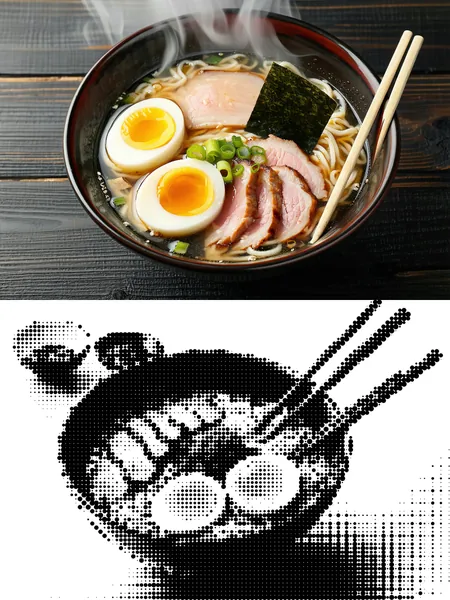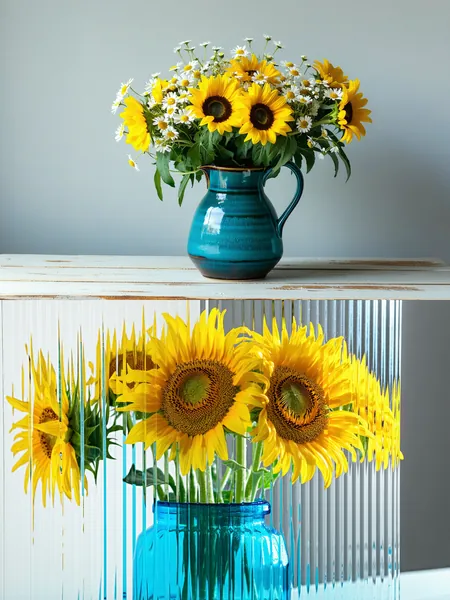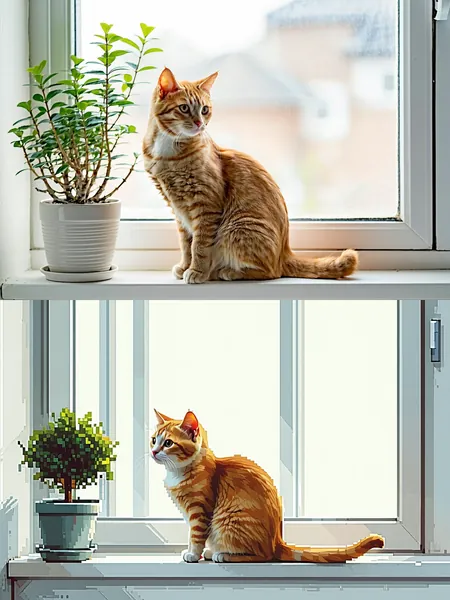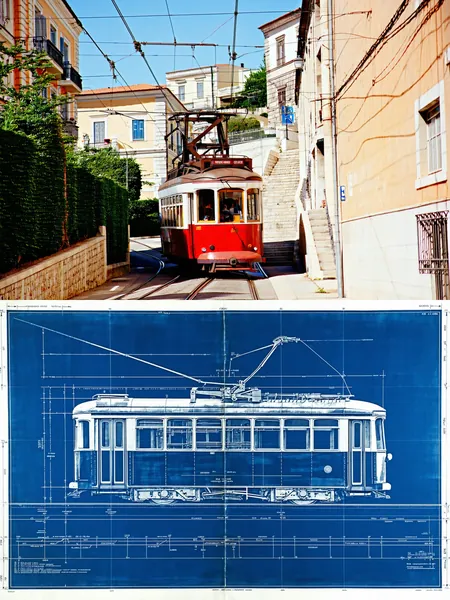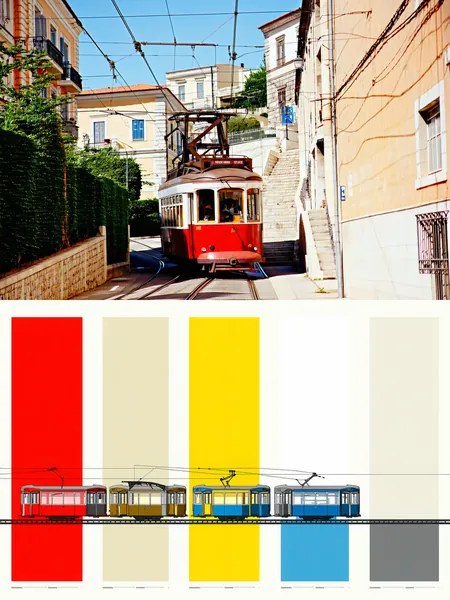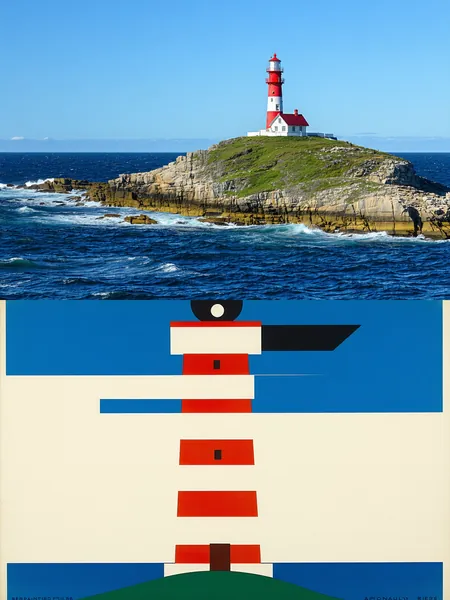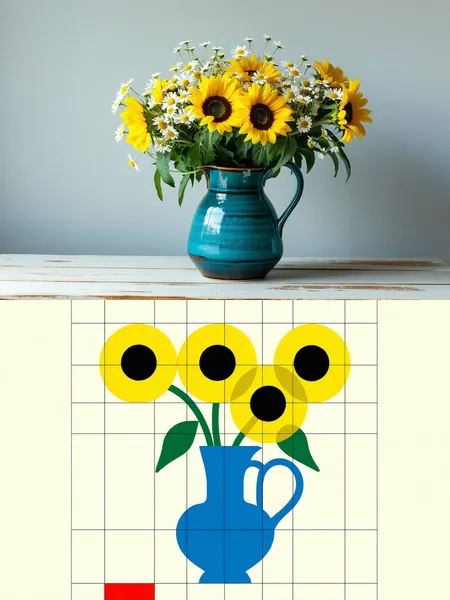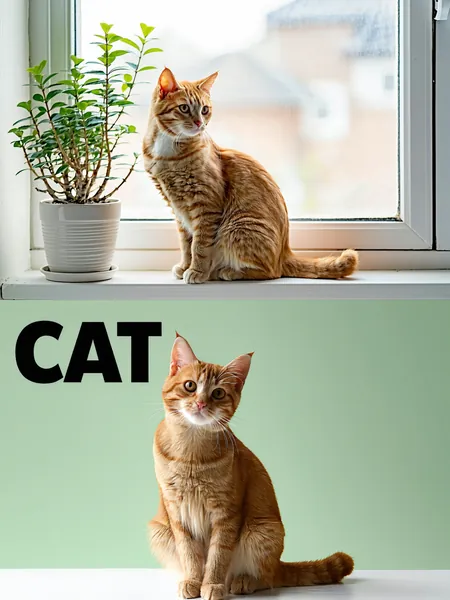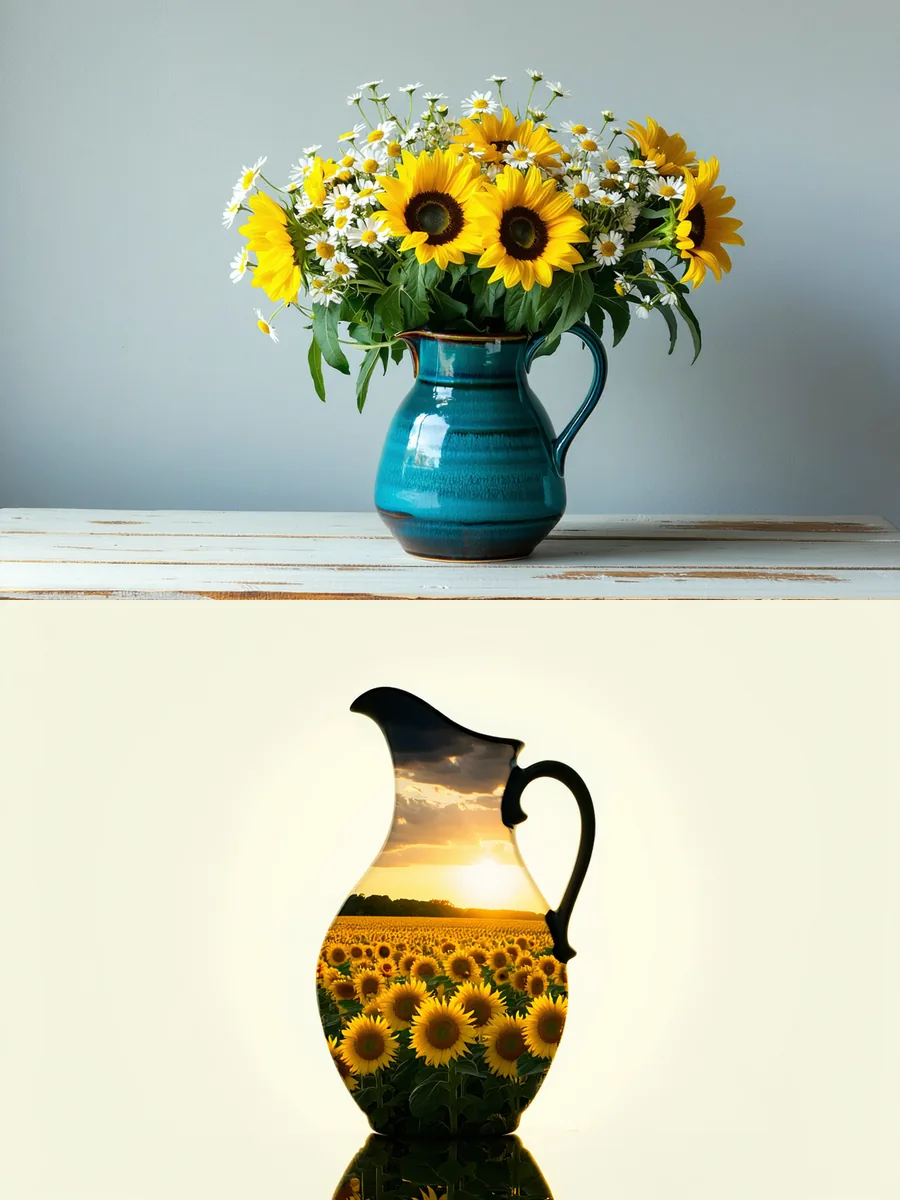
Example subject: sunflowers in a jug. Example images: both halves were AI-generated from the same scene description and composited per this site's rules, to show how the styles differ — not an actual result from a user's photo.
E5 · Digital Imaging
Double Exposure Effect
A second, related image is layered inside the subject's clean outline.
- Rule
- The outer outline has to come from the photo's actual subject; the inner image has to connect to the photo's theme.
- Test
- Both layers should read as something on their own. Crop out the bottom half alone: you should still recognise the subject, and it shouldn't look like a filter.
- Suits
- A profile, an animal, a tree.
- Avoid for
- Busy photos with several subjects.
- Midline
- 50 : 50
Bottom-half prompt (1536×1024)
① Subject lock: recreate the exact scene in the reference photo — same main subject, same key objects, same left-to-right arrangement; the subject must stay recognisable.
② Medium: a double-exposure image: the clean outline of the photo's main subject filled with a second related scene, light background outside the outline, the two layers blending naturally.
③ Rule: The outer outline has to come from the photo's actual subject; the inner image has to connect to the photo's theme.
④ Exclusions: It must not look like a filter applied over the photo. Do not reuse the photo's pixels or photographic texture. Remove watermarks, logos and any text that is not part of the scene.
⑤ Output: one landscape 3:2 image at 1536×1024, full bleed, no border; keep the bottom-right corner free of text and key details.